PROGRAMME
Plenary Sessions
All technology is human technology, and democracy is one of the oldest of them all — a highly engineered system for joint decision-making, revolutionised over and over, from the Roman forum to the ballot box to the broadcast debate. Today it faces its most ambitious rebuild yet. Artificial intelligence can flood the public square with synthetic persuasion, eroding the mutual trust on which democracy relies. Still, it can also make governments more capable, participation more direct, and citizens better informed than at any point in democratic history. Which way it goes depends on the choices we make. This session asks which future we are building: how we deploy technology to strengthen self-government, and what must remain stubbornly, irreplaceably human in how we govern ourselves.
Break
Parallel Panels
Panel Picker Winner
For most of the last century, work meant a path you could see: one field, one ladder, a lifelong career. That path is giving way to something "squiggly" — lives spent moving between industries and places, reinventing more than once, as whole categories of work are reshaped by technology. Nearly a quarter of the world's jobs are expected to change within a few years. For some, this is liberation: freedom to follow curiosity and define success beyond the next promotion. For others, it is exhausting and precarious — a demand to constantly retrain and adapt, with the risk quietly shifted from institutions onto individuals. Both can be true at once. The real question is who helps people navigate a working life with no map: individuals themselves, schools and universities, their employers, or society at large? What does a good career even look like when there is no ladder to climb, and who bears the risk when the path keeps changing?
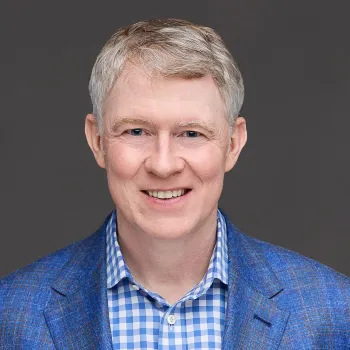
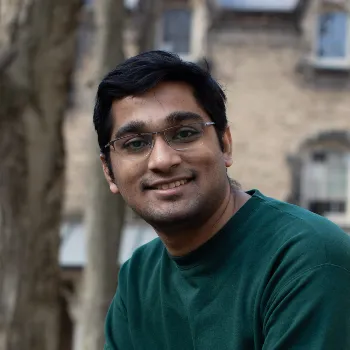
The creative economy is among the first places generative AI has hit hardest. As machines learn to design, compose, and illustrate at scale, the value of work made by people is being redrawn — and a premium is forming around human craft, creativity, and originality, the signature no model can replicate. For artists, writers, musicians, and the businesses built on them, this raises urgent questions about how creative work is valued and paid for, who thrives and who is undercut, and whether the human-made becomes a mark of privilege while machine-made fills everything else. This panel examines what we'll pay a premium for, why the maker matters as much as the made, and what kind of creative economy we want on the other side of this shift.
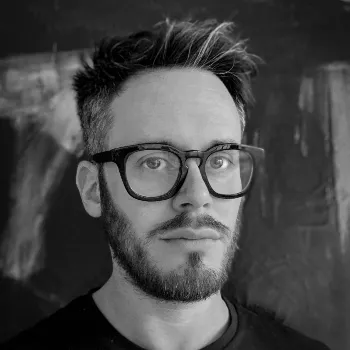
The cashier. The taxi driver. The stranger you might once have stopped to ask for directions. One by one, the small encounters that briefly placed us in one another's company are being designed out of daily life, replaced by something smoother and more convenient. It is easy to assume little is lost. Yet casual contact with strangers is its own source of belonging and the public spaces where they most happened are shrinking. A generation is growing up with fewer of these moments than any before it: more connected, but less practised in the ordinary art of being among others. And these small interactions are rarely just small: they are the seedbed of the friendships and communities that the longest studies of human life link to how well, and how long, we live. What happens as human contact becomes optional at every turn, and what would it take to build our technologies and shared spaces to bring us together rather than apart?

Lunch Break
Plenary Sessions
Half the population, a fraction of the research. For most of medical history the female body was treated as a footnote to the male one — same drugs, same doses, same assumptions, despite the biology being different. The cost lands across a woman's whole life: misread symptoms, dismissed pain, diagnoses that take years, a menopause with no real playbook. Where science stayed silent, a booming wellness market rushed in — some of it brilliant, much of it noise. Women's health was left to default for generations. Now, for the first time, it's being designed on purpose — by scientists, founders, and investors racing to close the gap. Who's building it, how fast can it happen, and how do we tell the real fixes from the noise?
Break
Plenary Sessions
“Keeping Humanity in the Loop” means more than preserving a formal role for human oversight. It means designing systems that expand human judgment, invite curiosity, support creativity, strengthen cooperation, and make room for care, responsibility, and shared understanding.
We welcome ideas that help people ask better questions, make better decisions, work together more effectively, and participate more fully in the systems and communities that shape their lives. Rather than treating efficiency as the highest goal, we are interested in projects that help technology serve deeper human purposes.
This might include tools that support learning and exploration, systems that help communities coordinate and solve problems together, products that unlock creative expression, or platforms that make complex systems more legible, participatory, and humane.
Join us to hear from finalists from the Equitech Futures, Rhodes, Schmidt Science, Rise and Atlantic Fellowship networks who will be presenting their solutions at the Forum, competing for both prize money and the chance to receive feedback and support from a panel of esteemed judges.


Ethics in the Age of AI: Will technology change what it means to be human?
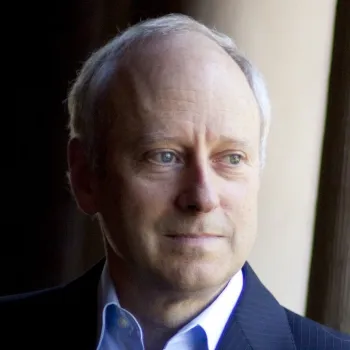
In the closing plenary, Michael Sandel will lead a lively, interactive session exploring how we can think our way through the ethical dilemmas that AI, chatbots and other new technologies put before us.
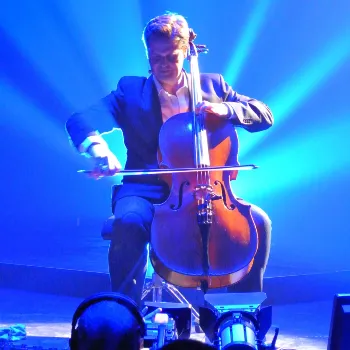
Composer, cellist and technology innovator Philip Sheppard returns to the Rhodes Forum following his memorable closing performance in 2022. Through a unique blend of music and reflection, Philip will bring the Forum to a close, offering a powerful exploration of the relationship between technology, creativity and what it means to be human.