THE CHALLENGE
This year, as part of the Forum, we are continuting to host The Kevin Xu Innovation Challenge and have invited members of the Rhodes and Equitech Futures communities to tackle the following question and put forward potential solutions:
How might we design AI systems that deepen creativity, cooperation, curiosity, and care as they become part of everyday life?
Shortlisted teams will present at the Forum and compete for up to £25,000 in non-dilutive funding, with dedicated mentorship and feedback from a panel of experts across disciplines.
“Keeping humanity in the loop” means more than preserving a formal role for
human oversight. It means designing systems that expand human judgment, invite
curiosity, support creativity, strengthen cooperation, and make room for care,
responsibility, and shared understanding. Our judges will be distributing the prize money under two categories:
- Non-profit Track – for solutions aimed at equitable social benefit, governance, education, sustainability, or community empowerment that will require philanthropy
- Commercial Track – for market-driven solutions that demonstrate both business potential and social responsibility
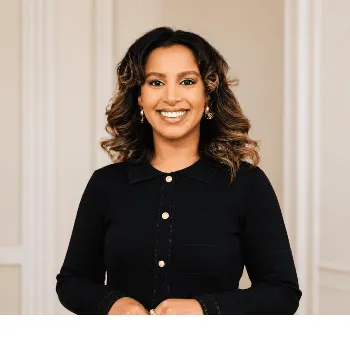
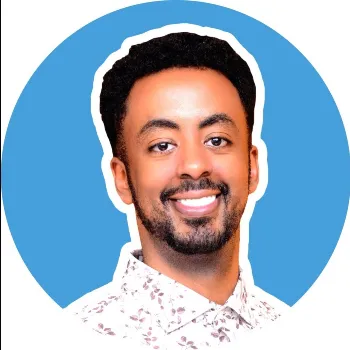
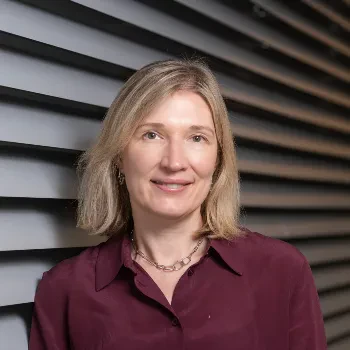
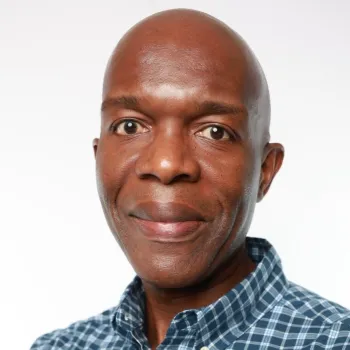
Experienced in the fields of innovation, entrepreneurship and AI, please learn more about our 2026 Kevin Xu Innovation Challenge judges below


AI is unlocking faster discovery of more therapies than ever before, but the clinical trial itself remains the bottleneck standing between those discoveries and the patients who need them. TrialSage removes that bottleneck by making trials more efficient, safer, and easier to run in compliance with evolving regulatory expectations like ICH E6(R3).
Clinical trials increasingly run across a patchwork of disconnected systems, and the specialists responsible for keeping them on track and catching safety issues early, including Medical Monitors, are chronically stretched thin. Protocol deviations have nearly tripled over the past decade, and most trials run past their planned timelines.
TrialSage connects directly into a trial's existing systems and continuously watches for the patterns and risks a person might otherwise miss, surfacing them, along with recommended next steps, to the people responsible for the trial. Every recommendation is grounded in real trial data and requires human sign-off before anything happens.
We're starting with Medical Monitors and safety-signal detection, the sharpest edge of this problem, while building toward a platform that makes clinical operations broadly faster, safer, and more compliant, using the same core AI infrastructure across additional roles.
When was the last time you talked to someone with a different political view from yours, and how did it go?
Across Nepal, India, and Sri Lanka, civil society leaders and democracy defenders tell us they are tired of engaging with people outside their political circles and often unsure how to bridge those divides.
Together for Tomorrow is a coaching platform that gives civil society leaders a space to practise difficult political conversations. It draws on decades of research in neuroscience and behavioural science on identity, threat perception, empathy, and social trust.
The platform teaches seven attributes of bridging communication: tone and language, affinity, personal story, curiosity, respect, empathy, and reasoning. Participants move through short lessons and simulated political scenarios, then receive feedback from our custom bridging models on where their communication is building trust and where it could improve.
Selv is a personal health AI that turns advice into action within the life you already live. It learns from your health records, wearables and your day, showing you which meetings leave you stressed or how your dinner affects your sleep. Then it acts, from moving a workout to ordering groceries, adjusting until each change fits how you live. Selv keeps humanity in the loop by explaining what it notices, asking before it acts, and giving your doctor the context behind your symptoms. When healthy choices are already part of your day, personalised health stops being a privilege.
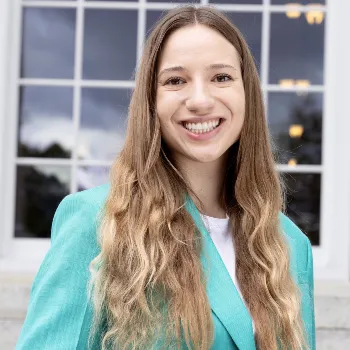
Auxo Health is building the agent-native intelligence system for independent musculoskeletal clinics, giving every administrative employee 10x the manpower across claims, denials, intake, and prior authorization. We are addressing the machine-vs-human arms race in healthcare administration by using AI to handle repetitive complexity while keeping staff in control of consequential decisions. The goal is simple: give physicians and their teams more time to focus on medicine, judgment, and their relationships with patients. Auxo is named after the Greek goddess of growth, reflecting our approach to “Keeping Humanity in the Loop”: technology should expand human capability, not replace the people at the center of care.
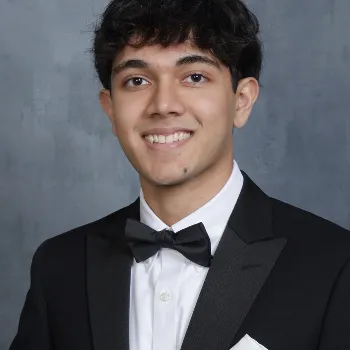
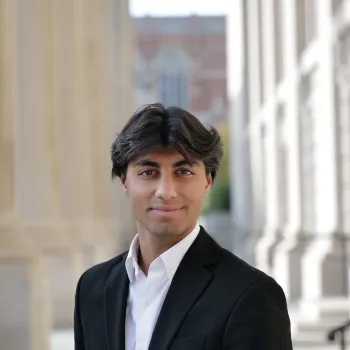
A hospital appointment. An exam. A job interview that could change everything. For more than 1.3 billion people with disabilities, most of whom live where accessible infrastructure is still rare, getting to moments like these too often depends on luck.
Lend a Hand is an AI-enabled free platform that connects people with disabilities to trained volunteers for the moments that matter: someone to accompany a wheelchair user to the hospital, a reader for a blind student’s exam, a ride to an interview. Users post what they need, when and where, and AI-powered matching finds a nearby volunteer with the right skills. Every volunteer is background-checked and trained to support, not take over, and both sides rate every task.
No money changes hands. Volunteers bank their hours and redeem them with corporate partners. Designed for accessibility from the ground up, the platform also works offline, by text and by voice, in the user's own language, so it also reaches people where connectivity is limited. Built to adapt to local needs, languages, and accessibility realities, Lend a Hand can scale from one community to communities anywhere in the world.
We're not inventing goodwill. We're structuring it, so people can live with dignity and independence while the world catches up on accessibility.